Endangered Species?
A musing on the future of older, analog cars in motorsports
By Stephen Jo
Article
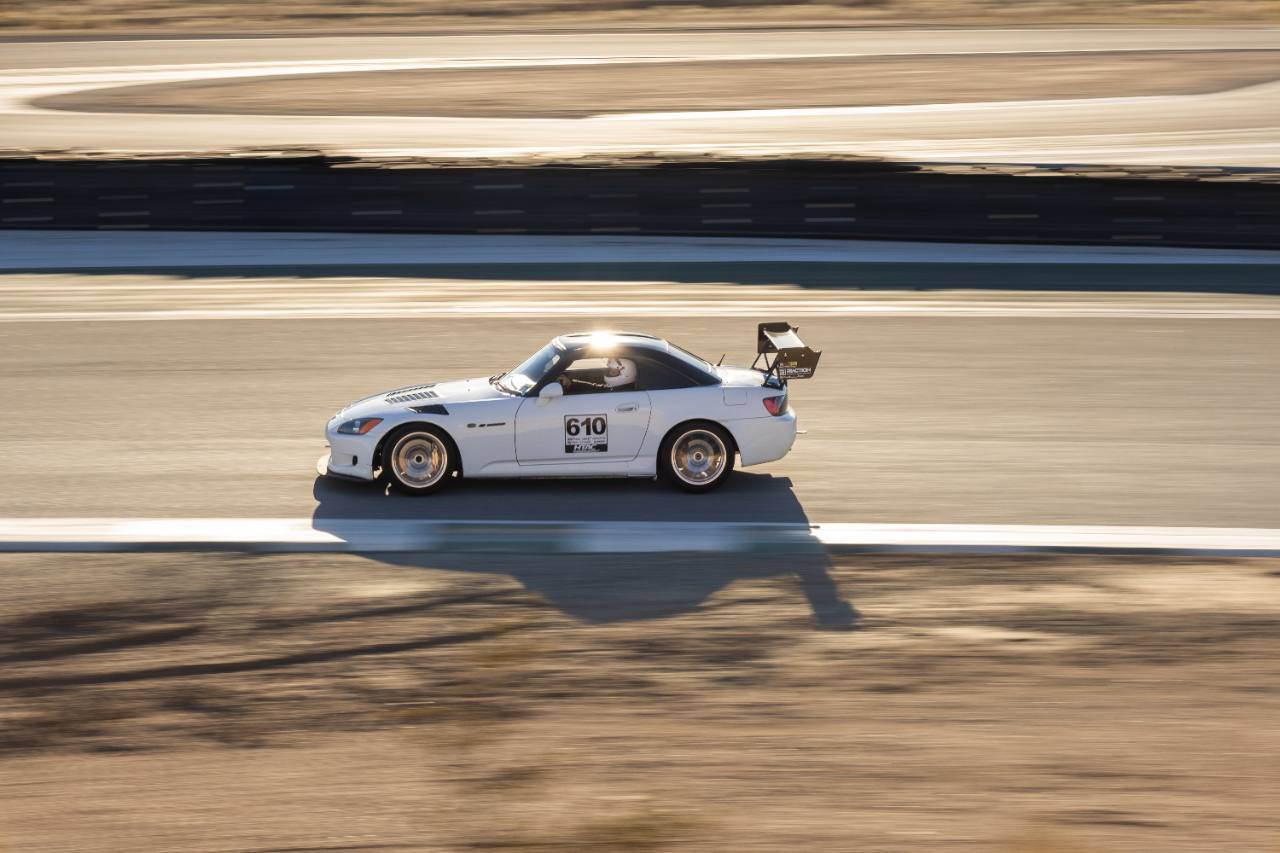
Imagine this- you’re racing your beautifully prepped S2000 up the esses at The Glen, ITB’s screaming an intoxicating symphony of induction noises and VTEC. The car feels light, yet planted- attribute that grip to the new big wang you installed. Oh, and that shifter- who does it better? It’s still the benchmark for quality and feel, inspired by God, himself.
Onto the brakes.
Execute a series of glorious heel/toe downshifts.
Into the bus stop and…
a control arm breaks.
Car goes wide. You manage to save it somehow. You limp it back to the paddock.
“How the heck do I find another control arm for this 25yr old car?”
Maybe you find the control arm now, but what if the EPS sensors break? What if you need a new transmission? A diff? Or a host of other parts that are NLA?
Whether it’s an S2000, an E36 M3, a vintage racer, or even something a bit more modern, I beg to ask the question- are we on borrowed time to use some of our favorite cars for motorsports?
The reality of parts unavailability
It’s wild to think that a car made in 2000 is nearly 27yrs old. It’s even wilder to think that thousands of enthusiasts put their 27yr old cars to the limits and they still work! But how sustainable is this?
Even NA and NB Miata’s, high volume sports cars, are becoming harder to score parts for- and these platforms have manufacturer support.
The reality is that many of these older/analog cars, those we truly respect and adore, are becoming endangered with parts becoming less and less available.
The market moves on
Along with parts, aftermarket support is of utmost importance when utilizing any car for motorsports. As vendors seek to stay relevant (and profitable), the market moves onto support modern cars. They simply follow the demand.
Safety is a thing
We all witness wrecks at the race track and the modern cars never fail to shock me with how good the factory safety is. This is, by no means, a recommendation to rely on factory safety only. But I am impressed with seeing how good the structural rigidity, roof strength, and front/side impact are with modern cars.
So what exactly is the future of older, analog cars in motorsports? Here are some of my musings:
MUSING #1 – Are older cars better as street cars?
There’s a case to be made that, along with rising costs for modern classics, parts availability, and a multitude of other reasons, it makes more sense to retire some cars to street car use.
Slow, visceral cars can be so much more fun than a modern 1000hp tablet on wheels, after all.
With enough commitment, you can use anything for motorsports. But it doesn’t mean it’s easy. Maybe older cars are better as street cars.
MUSING #2 – What role will 3D printing play in custom fabrications of parts that are NLA?
I have to imagine that there are all sorts of shops and DIY-ers who are experimenting with 3D printing. As this technology improves, will this provide the support to keep older cars out on track more?
MUSING #3 – Can Vintage/Historic racing pave the way?
Every time I enter a paddock full of historic/vintage race cars, I am immensely impressed at the quality, commitment, and, ultimately, the beauty that is preserved through the various vintage scenes. (One day, I’ll have my GTA-inspired Alfa race car…)
Perhaps our vintage racers/builders can show us the way to extend the life of these older cars.
MUSING #4 – Is it ultimately more efficient to try more modern platforms, which means more parts, more track time, which means more fun?
While I love unique builds, I usually recommend buying higher volume cars for motorsport use, especially at the DE level. There’s nothing worse than losing track time because of some unique quirk that your car has that nobody in the paddock can help fix.
This logic may apply to modern cars, as technology and the street-car landscape change. Terms like "B58, 8HP, PDK" will only grow more common in the paddocks.
Perhaps we look forward and see what new cars have to offer?
MUSING #5 – Are spec series' “the way?”
A lot goes into creating a nationally recognized spec series, two of which are affordability and availability. There’s a reason why some of the most popular racing series are spec series (see SE46, Spec3, Spec Miata, etc). Manufacturers and shops build parts for these series because there are people actively racing in them.
Speaking of spec and 8HP’s, Bimmerworld is developing their Spec F3x series to be solely used with the N55/8HP combo. Their sentiment is that the automatic transmission will open up the fields, invite more competition, and move the bar forward. Perhaps this is a take on musing #4.
MUSING #6 – Maybe now is the best time to enjoy these cars for motorsports
If the door is going to close at some point, maybe we maximize our usage and enjoyment now, while we can. The roar of NA motoring, the mechanics of 3 pedal driving, and feathery light weight are all things that might come to an end... but not yet.
CONCLUSION
As wisdom literature suggests, there’s a time and season for everything under the sun. Whether it’s now or later, the future and use of some of our favorite cars for motorsports may look bleak.
But one thing I do know- demand creates supply. Maybe the answer lies somewhere here.